
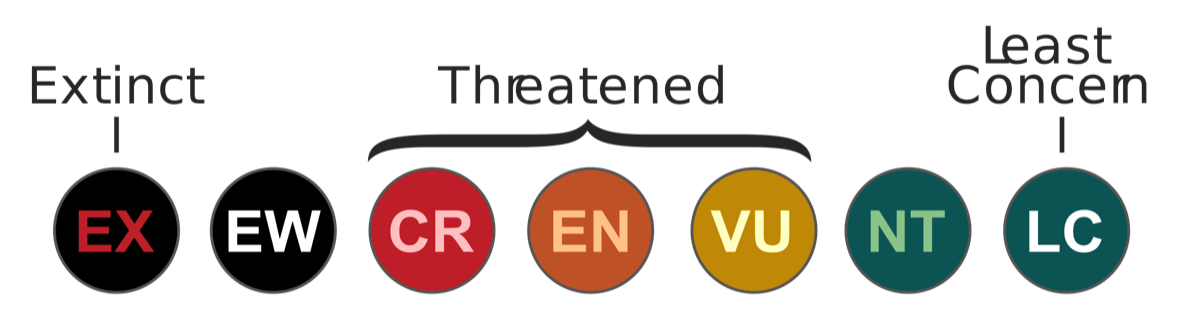
Triton Cockatoo - Cacatua Galerita Triton - Least Concern
The Triton cockatoo (Cacatua galerita triton) is one of the four subspecies of the sulphur-crested cockatoo. The cockatoo was first described by Dutch zoologist, Coenraad Jacob Temminck, in 1849. There is no documentation as to why Temminck selected this name however it is suggested that it was named after the Dutch corvette, Triton, which operated off the Dutch New Guinea coastline, in 19th century.
It is considered a pest in its natural habitat.
It can be found across most of New Guinea and the surrounding islands, including the Western Islands, the D'Entrecasteaux Islands and the Louisiade Archipelago. It can also be found throughout most of the islands in the western area of the Solomon Sea, with the exception of Aru Islands.
Description
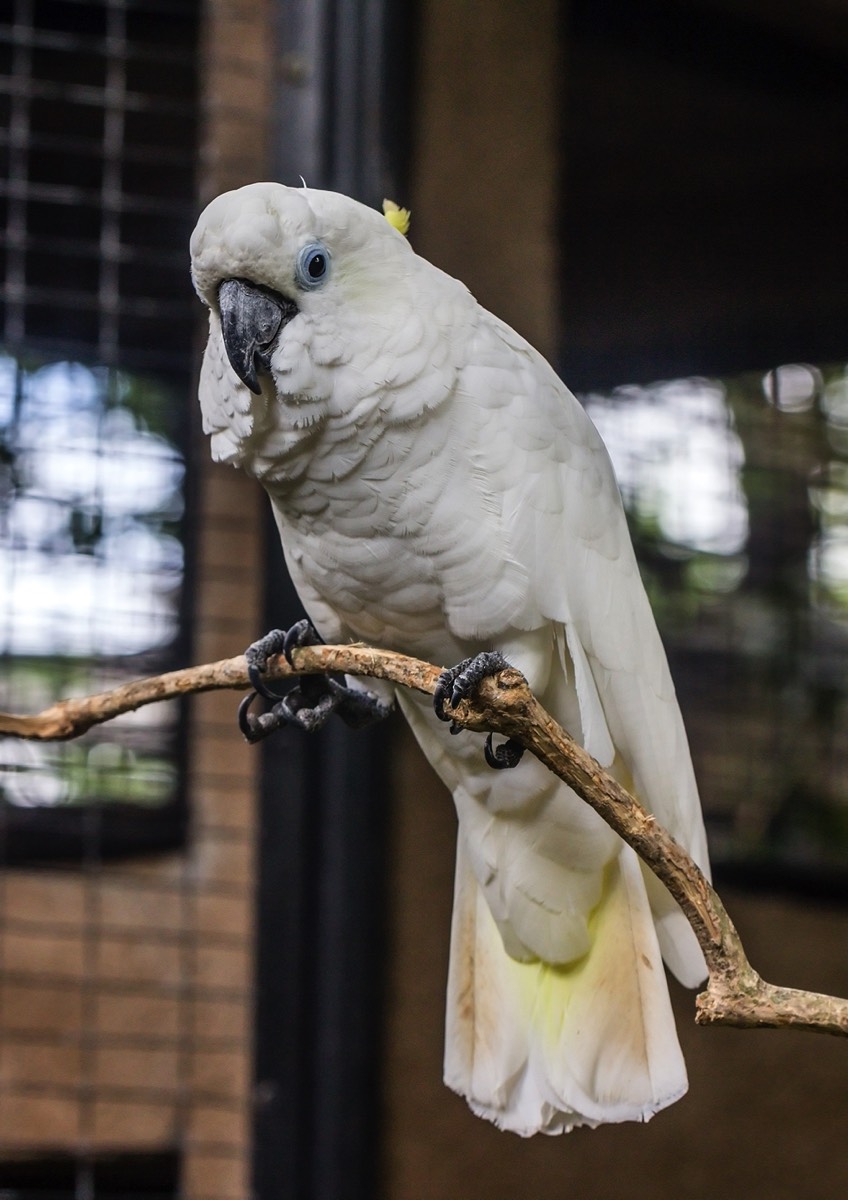
It is white, with a large yellow crest that it can raise. It is 45–55 cm (18–22 in) long and can live up to 40 years. This subspecies differs from the Australian greater sulphur-crested cockatoo in that it is smaller, with broader crest feathers and has a pale blue periophthalmic ring instead of white.
Diet and Habitat
They mainly eat seeds, fruits and occasionally insects.
Reproduction
They are aggressive, solitary and territorial during breeding season, which is from May to September. It nests in tree cavities, like most cockatoos. They fill the nest with leaves and vines as padding and lay 2-3 eggs, which both parents incubate for approximately 26 days.
Psittaciformes, The Parrot Index, a part of Phoenix Feathers © 2016 - 2022
Page last updated: 1/26/22
Phoenix Feathers